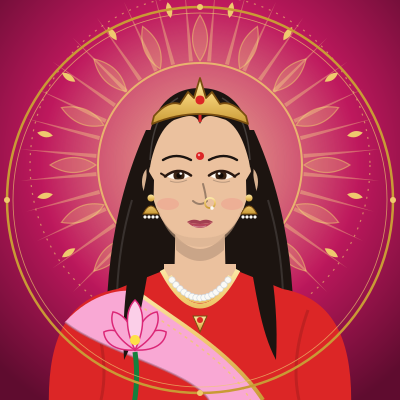
Sita is the heroine of the Ramayana, and Valmiki himself calls his poem “the great story of Sita”. She was not born from a mother: King Janaka of Mithila found her in the earth while ploughing a field. She married Rama, chose to go with him into fourteen years of exile, and was carried away by Ravana. Alone in Lanka, surrounded by threats, she never gave in. Her life is a story of love, courage and quiet strength.
Daughter of the Earth
King Janaka of Mithila was a wise and righteous king. Once, while he was ploughing a field to prepare the ground for a sacrifice, a baby girl rose up from the furrow made by his plough. Because she came from the furrow, which in Sanskrit is called sita, he named her Sita, and he raised her as his own beloved daughter.
Since she was not born from any mother, Janaka called her ayonija. She is also called Janaki, daughter of Janaka; Vaidehi, princess of Videha; and Maithili, princess of Mithila. Janaka declared that she would marry only the hero who could string the mighty bow of Shiva kept in his palace, and many proud kings who came for her failed even to lift it.
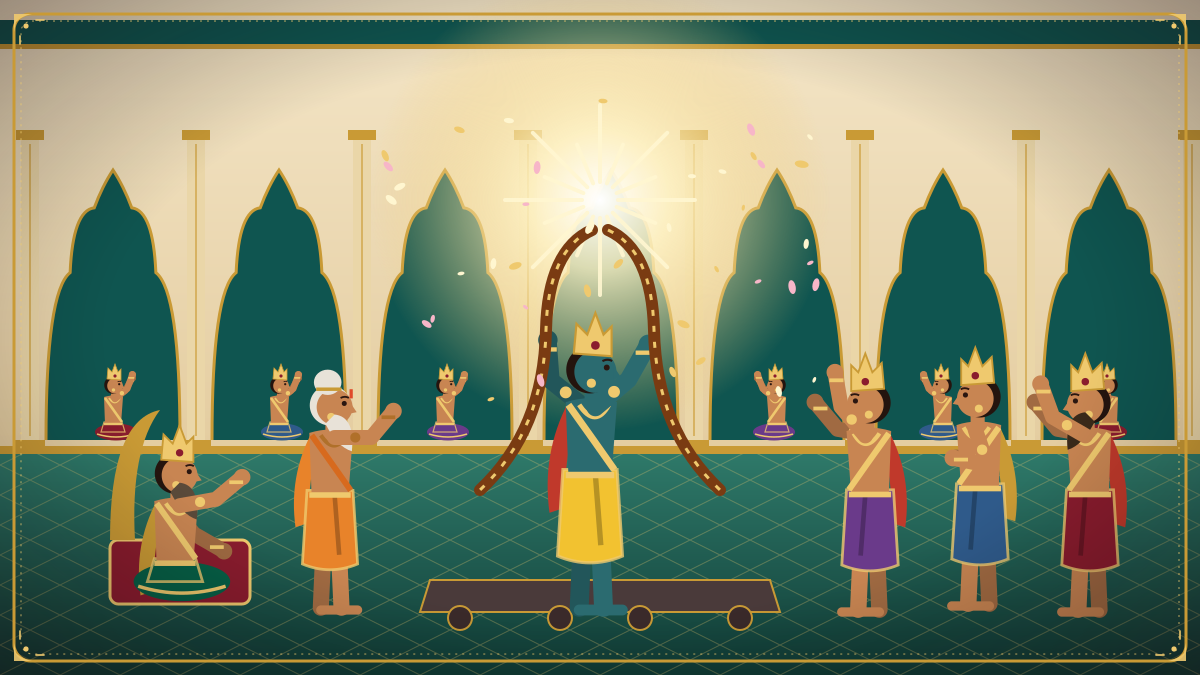
When young Prince Rama of Ayodhya came with the sage Vishvamitra, he lifted the bow, strung it and broke it in two. Janaka joyfully gave Sita to Rama, saying, “This is my daughter Sita, who will walk with you in dharma. Take her hand; she will follow you always, like your own shadow.” Sita then lived happily with Rama in Ayodhya for twelve years.
Choosing the forest
On the day Rama was to be crowned, Kaikeyi’s boons sent him into exile instead. Rama told Sita to stay in Ayodhya, serve his parents and respect Bharata. Sita refused firmly. She said that a wife shares her husband’s fortune, good or bad, and that the rough forest path at his side would be sweeter to her than a palace without him.
She even reminded him that, in her father’s house, learned brahmins had foretold that one day she would live in a forest. When Rama still hesitated, she spoke sharply and wept, until he agreed. Sita gave away her belongings to brahmins and to the poor, and walked out of the palace with Rama and Lakshmana.
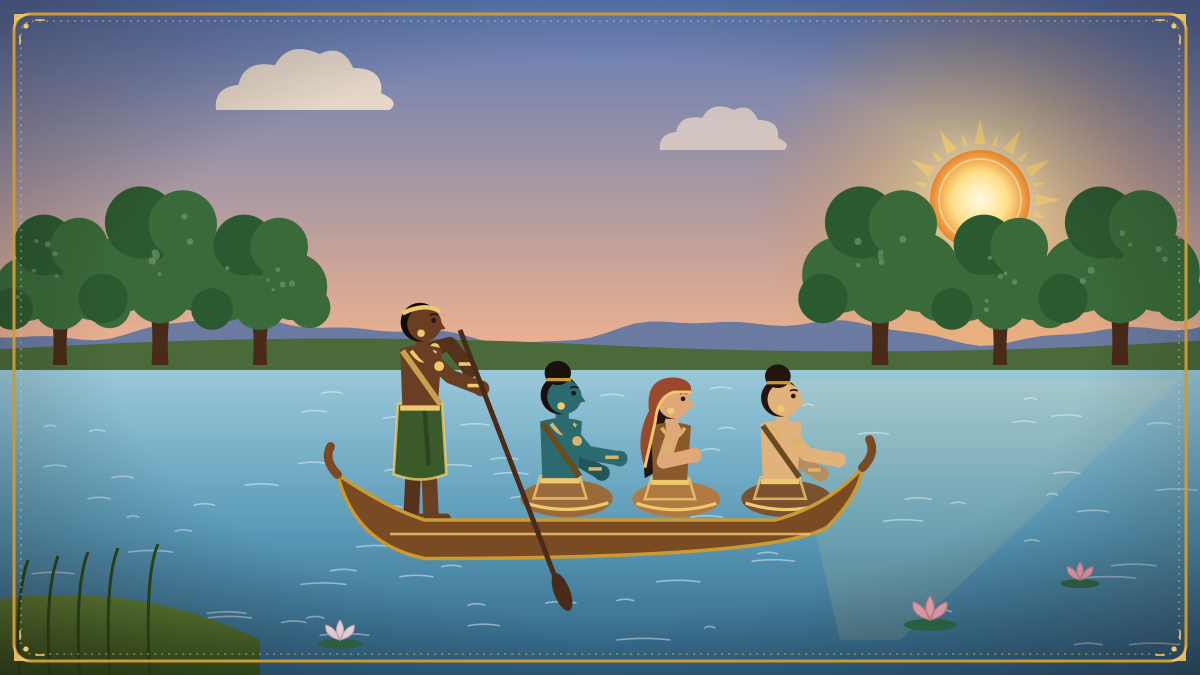
Kaikeyi brought garments of bark, and Sita, a princess, did not know how to put one on; Rama tied it for her over her silk. Vashishtha protested that Sita need not wear bark at all, and Dasharatha ordered that she be given fine clothes and jewels for all fourteen years. As they crossed the Ganga in Guha’s boat, Sita prayed to the river goddess for their safe return.
In the forest
The years in the forest were hard, but Sita also found joy in them. At the ashram of the sage Atri, his aged wife Anasuya praised Sita’s devotion and gave her a garland, clothes, ornaments and a fragrant ointment that would never fade. In return Sita told Anasuya the story of her birth and her wedding.
Sita was also a thoughtful counsellor. When Rama promised the sages of Dandaka that he would fight the rakshasas, she gently reminded him that carrying weapons can lead a person to harm even those who have done no wrong. Rama was pleased with her loving advice, but explained that he had given his word to protect the sages.
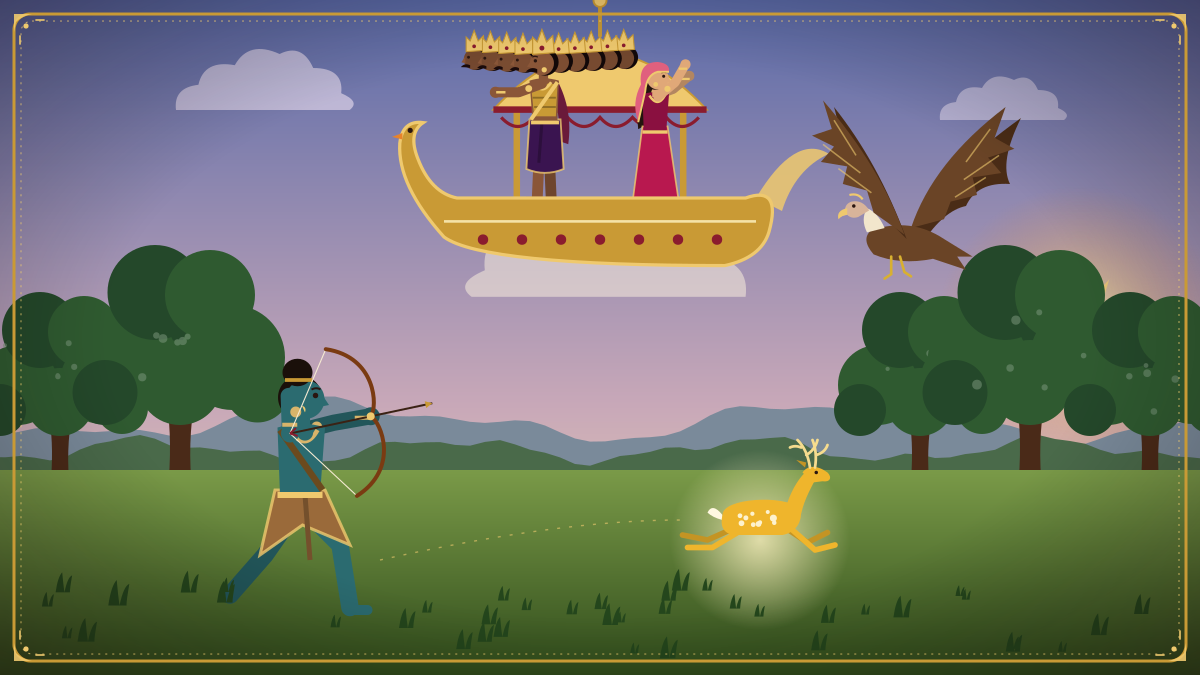
At Panchavati, Sita saw a beautiful golden deer and asked Rama to catch it. It was the rakshasa Maricha in disguise. When a cry in Rama’s voice came from the forest, Sita was terrified for her husband. Lakshmana insisted that no one could harm Rama, but Sita, in fear and anger, spoke cruel words to him until he left to find his brother.
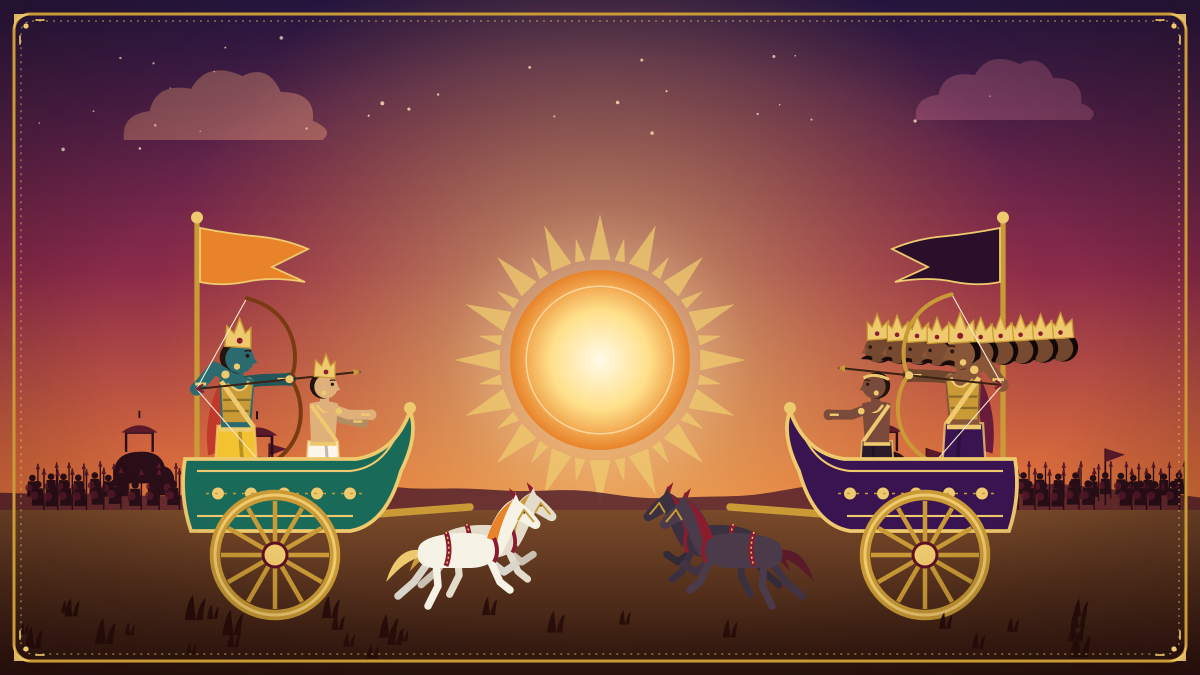
Then Ravana came, dressed as a wandering holy man. Sita welcomed him as a guest and told him who she was. When he revealed himself and asked her to be his queen, she rejected him with scorn. Ravana seized her and carried her through the sky, and the old vulture Jatayu fell trying to save her. As they flew, Sita dropped some of her ornaments down to five vanaras sitting on a hilltop, hoping Rama would find them.
Alone in Lanka
Ravana kept Sita in the Ashoka grove of his palace, guarded day and night by fierce rakshasi women. He tempted her with riches, then threatened her, and gave her twelve months to change her mind. Sita answered him with a blade of grass placed between them, refusing even to speak to him directly. She told him that Rama would surely come and that Lanka would be destroyed.
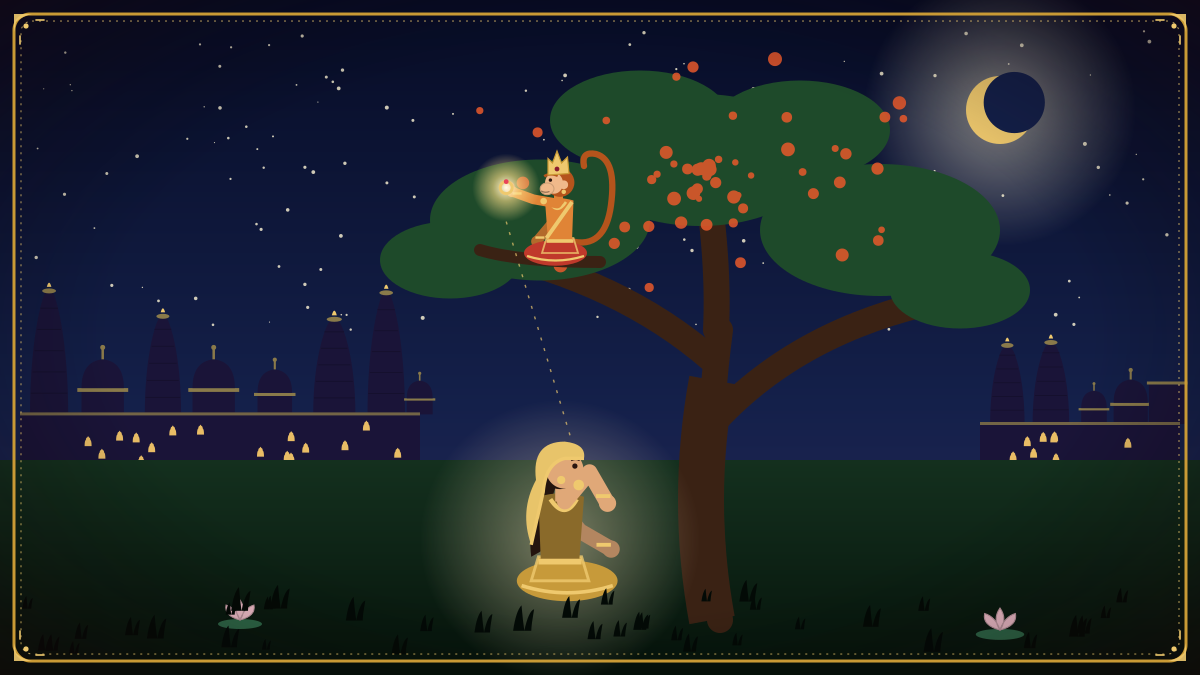
One kind rakshasi, Trijata, told the others of a dream in which she had seen Rama victorious and Lanka ruined, and asked them to stop troubling Sita. Then, hidden in a tree, Hanuman began softly telling the story of Rama. He came down, showed her Rama’s ring and gave her new hope. Sita wept with joy as she held the ring.
Hanuman offered to carry her back on his back, but Sita refused. Rama himself, she said, should come, defeat Ravana and take her home with honour. As a sign for Rama she gave Hanuman her jewel, the chudamani, and reminded him of a private memory: at Chitrakuta, Rama had punished a crow that hurt her by sending a blade of grass after it as a weapon. When the rakshasas set Hanuman’s tail on fire, Sita prayed to Agni to be cool to him, and the fire did not burn him.
The war and the test of fire
During the war Ravana tried to break her spirit by showing her a false, magic head made to look like Rama’s. Vibhishana’s kind wife Sarama comforted her and told her the truth. Later Sita was flown over the battlefield and saw Rama and Lakshmana lying bound by Indrajit’s serpent arrows; Trijata assured her that they were alive.
When Ravana fell, Hanuman brought Sita the good news. He wanted to punish the rakshasi women who had frightened her, but Sita stopped him. They had only obeyed their master, she said, and a noble person shows mercy even to those who do wrong, for there is no one who never makes a mistake.
Then Sita came before Rama. In front of everyone he spoke harsh words, saying he had fought to protect the honour of his family. Hurt but firm, Sita replied that her heart had always been his; only her body had been touched against her will. She asked Lakshmana to build a fire and walked into it. Agni himself rose from the flames carrying her unharmed and gave her back to Rama, who said he had never doubted her.
Queen of Ayodhya and the forest again
Sita returned to Ayodhya with Rama in the Pushpaka chariot and sat beside him at his coronation. Rama gave her a precious pearl necklace, and with his permission she gave it to Hanuman, who had served them with such devotion. For some years they lived in great happiness.
When Sita was expecting a child, she said she wished to visit the ashrams by the Ganga. But Rama had heard that some people were gossiping about her stay in Lanka, and to protect the good name of the throne he asked Lakshmana to leave her near Valmiki’s ashram. Lakshmana wept as he told her. Sita sent a message for Rama: he must care for the people as if they were his own brothers.
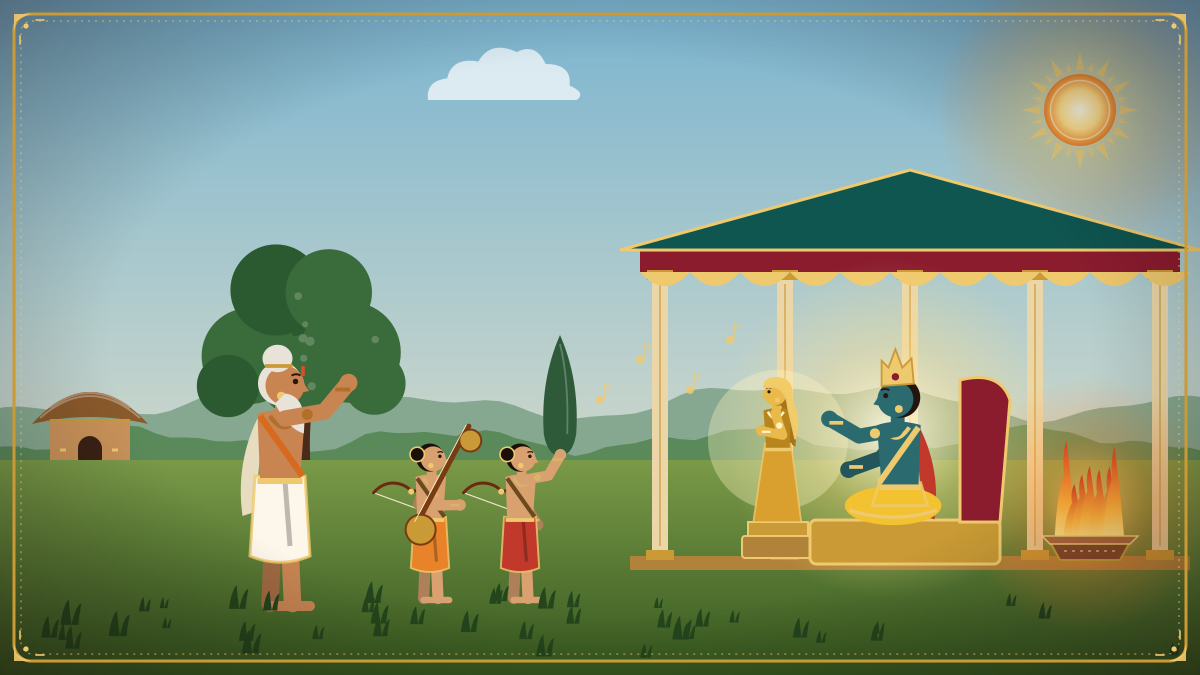
The sage Valmiki welcomed Sita like a daughter and gave her a home among the women of his ashram. There she gave birth to twin sons. Valmiki named them Kusha and Lava after the sacred kusha grass, whose top and lower part were used to protect the new-born babies. The boys grew up in the ashram and learned the Ramayana from Valmiki.
Return to the Earth
Years later Rama held a great horse sacrifice. Lava and Kusha sang the Ramayana there, and Rama learned that they were his sons. He asked that Sita come before the assembly and declare her purity once more. Valmiki brought her, and in front of everyone he swore by all his years of penance that Sita was pure.
Sita stood with folded hands and lowered eyes, dressed in ochre robes. She said, “If I have never thought of anyone but Rama, may the goddess Earth make room for me.” At once a divine throne rose from the ground. The goddess Earth took Sita in her arms and seated her on it, and Sita entered the Earth as flowers rained from the sky.
Rama’s grief knew no bounds. He never married again, and at every sacrifice he performed, a golden image of Sita sat beside him. Sita had come from the Earth and returned to it, and through all her trials she remained true, brave and kind.
Did you know?
- Valmiki calls his whole poem not only the Ramayana but also “the great story of Sita”.
- Sita told Ravana that when they left Ayodhya, Rama was twenty-five years old and she was eighteen.
- In Lanka, Sita would not speak to Ravana face to face; she placed a blade of grass between them first.
- Valmiki named her twins after the kusha grass used to protect them as babies: Kusha from its top and Lava from its lower part.
What we learn from Sita
Sita shows that true strength can be quiet. She stayed faithful and fearless when she was alone and threatened, and she forgave even those who had been cruel to her.
Sita in the story
Read the kandas where Sita plays a part.